7 Foods to Eat For Better Bone health
If you’re over 50, you’re at risk for osteopenia (loss of bone density) or osteoporosis, which causes structural changes to your bone when you have a significant loss of bone density. While these conditions are very common, there are many things you can do to slow the rate at which they occur.
Diet plays a key role in maintaining bone health. Various foods can help or hurt your bones over time.
Most people know dairy foods, especially milk, are rich in calcium and can promote healthy bones. But you may be surprised to learn that many other foods and nutrients — besides milk and calcium — can help strengthen your bones.
Keep reading to learn about some surprising foods (and beverages) you can add for better bone health and why they’re important if you have or are at risk for osteopenia and osteoporosis.
How Does Osteoporosis Start?
Like all other tissues and organs in your body, your bones are alive and constantly turning over as your body breaks down old bone and replaces it with new bone tissue. Around age 30, however, the process of bone rebuilding slows down, and bones slowly start to break down more than they grow.
Things really start to change right around the time of menopause. For women, the decline and loss of estrogen that accompanies perimenopause and menopause accelerates bone loss. Women can lose up to 25% of their bone mass from the time of menopause until age 60.
Women are at higher risk for osteoporosis than men because they have less bone mass to start with. Women with small frames and low body weight are at especially high risk. Still, men can get osteoporosis, too. According to the Bone Health and Osteoporosis Foundation, one in two women and one in four men age 50 and older will break a bone due to osteoporosis.
While age and menopause status are major risk factors, these things also accelerate bone loss and increase your risk for osteoporosis:
- Autoimmune diseases like celiac disease, inflammatory bowel disease, rheumatoid arthritis, or multiple sclerosis. These can cause you to absorb less calcium from your diet, and they also increase inflammation, which causes bone to break down faster.
- Hormone disorders such as thyroid diseases, premature menopause, or diabetes can speed up the rate at which your bone breaks down.
- Long-term use of medications like certain antacids and acid blockers for heartburn, steroids like prednisone, and some chemotherapy medications can cause bone loss over time.
Nutrients for Bone Health
Good nutrition is vital for bone health. A healthy, well-balanced diet supports strong bones, joints, and muscles. Calcium is the mineral most people know about. But you need other nutrients to help deposit calcium into your bones and maintain healthy bones, joints, and muscles.
These nutrients are essential and work together to support bone health:
- Calcium
- Vitamin D
- Vitamin C
- Vitamin K
- Magnesium
- Silicon
- Boron
Top Foods for Bone Health
These foods are surprisingly good sources of the vitamins and minerals you need to support bone growth and maintenance. Many also have research that supports their role in bone health.
Prunes
Prunes (dried plums) are better known for their role in digestive health and constipation, but they are surprisingly good for your bones, too. They contain important phyto-compounds, as well as boron and vitamin K, which help calcium balance. Research on prunes and bone health suggests that 50g of prunes (about 5-6) prevents bone loss in the hip area in postmenopausal women. And they count toward your fruit goal, too!
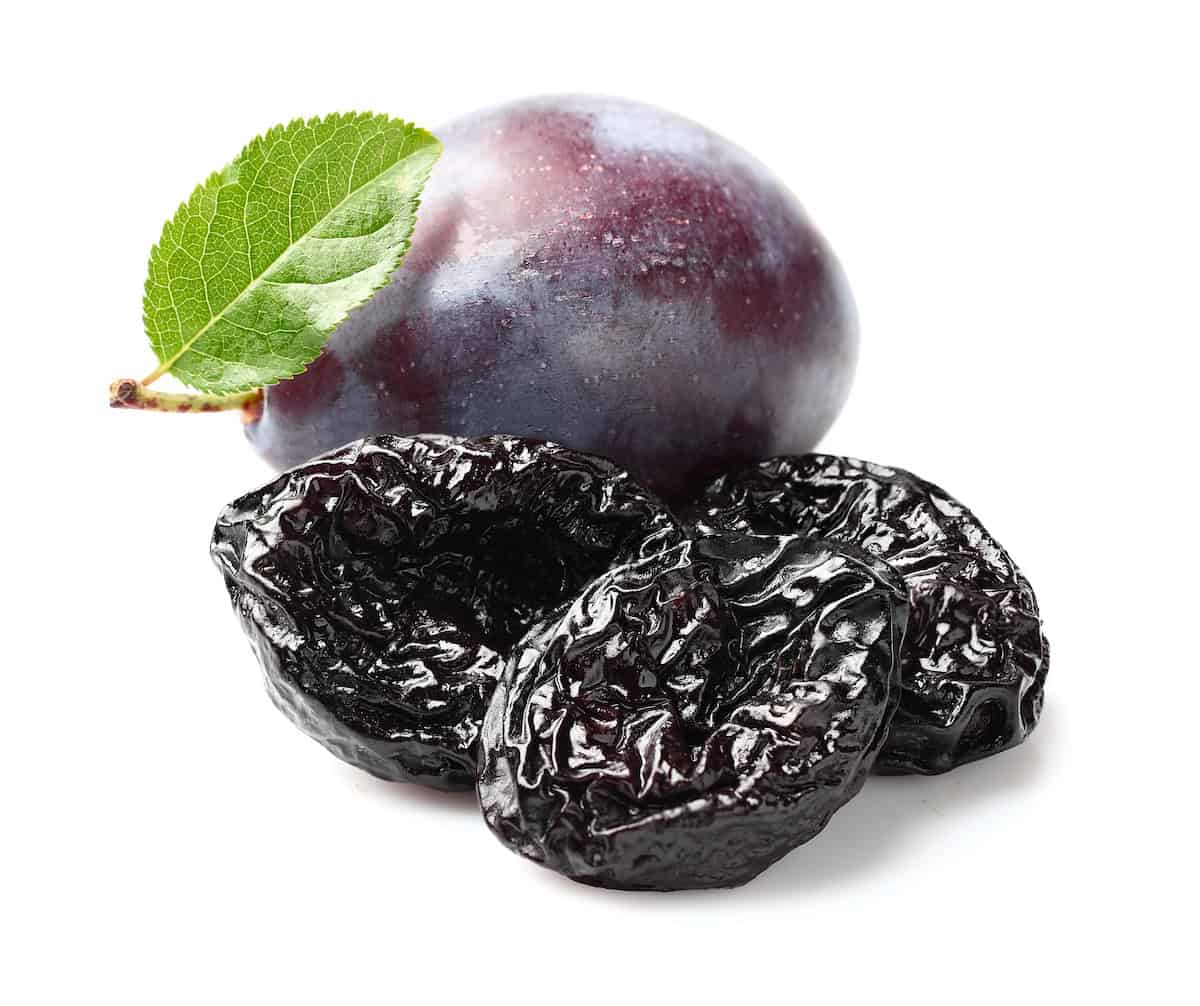
If you’re on a lower-carb diet, be aware that prunes (like all dried fruit) are high in carbs. Six prunes provide about 36 grams of carbs from natural sugar. They are high in fiber and have a low glycemic index, so they shouldn’t spike your blood sugar. Still, I recommend eating them as a snack, paired with some nuts or cheese, like my prune bites with blue cheese and toasted pecans.
Grass-fed beef, butter, and cheese
These high-fat foods from grass-fed cows are a good source of vitamin K2, which plays an important role in getting calcium (especially from supplements) into your bones instead of letting it stay in your bloodstream. Some studies on vitamin K2 show it’s effective at maintaining and improving bone mineral density in postmenopausal women.
I’m not suggesting you indulge in these foods, but when you eat meat, cheese, or butter, make it grass-fed so you can get that extra boost of vitamin K2. And ask your doctor or dietitian if you should take a vitamin K2 supplement. Note that vitamin K can interfere with blood thinner medications.
Green tea
It’s the most popular beverage in the world, and because of the amazing range of antioxidants and polyphenols in tea, it’s one of the healthiest beverages you can drink, too. Several research studies, including one on 3,500 postmenopausal Korean women, show green tea drinkers (even one cup a day) have stronger bones and a lower risk of osteoporosis than those who don’t drink tea — so raise a cup to your bones!
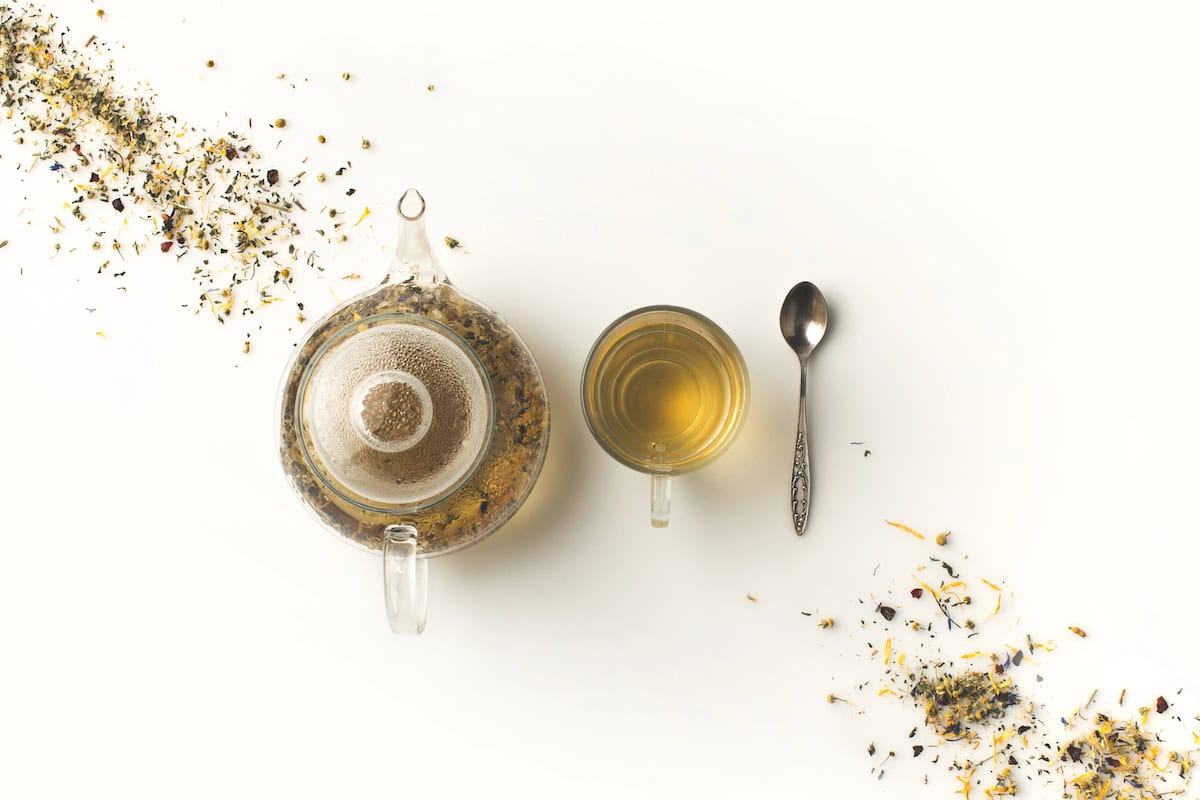
Researchers believe tea’s bone health benefits come from polyphenols, which have anti-inflammatory properties and positively influence bone-building cells. This hibiscus cold-brewed iced tea has both hibiscus and green tea for lots of polyphenols. It’s so refreshing all year round.
Tinned fish with bones
Tinned fish with bones, like sardines or canned salmon, provide calcium and vitamin D in every bite. These oily fish are also packed with inflammation-fighting omega-3 fats and a good dose of protein, so they’re not only a great choice for your bones, but they also have benefits for your heart and brain health. They’re a staple in the Mediterranean diet with lots of health benefits.
Dark chocolate
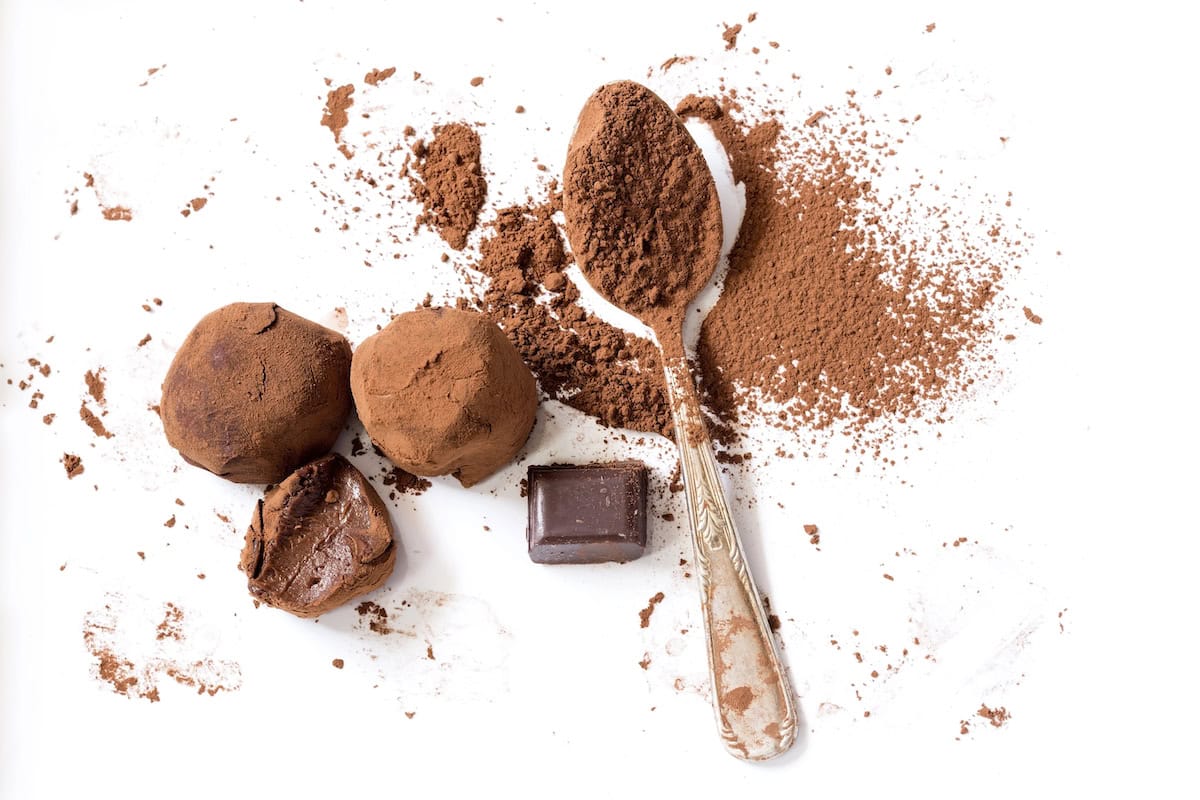
Everything in moderation, right? That includes dark chocolate, which not only satisfies your sweet tooth but is also a great source of the mineral magnesium. Magnesium is involved in bone formation, and it helps regulate vitamin D levels. Low magnesium levels are associated with a higher risk of osteoporosis.
To get enough of this mineral, make sure you eat lots of nuts, seeds, legumes, whole grains, and, if you like, a bit of dark chocolate. And if you want more than a bit, try this dark chocolate torte for a very special treat.
Tofu
Tofu is a good source of calcium as long as it’s made with calcium sulfate (check the label). It’s also rich in compounds called isoflavones, which have wide-ranging health benefits. Many studies suggest that the isoflavones in whole soy foods, like tofu can help to maintain bone density by limiting bone resorption (loss) and enhancing bone remodeling or growth.
When choosing tofu (or any soy food), always look for organic, which is non-GMO, and avoid processed soy products, which aren’t a good source of isoflavones. If you’re unsure how to prepare tofu, try this sweet, sticky, orangey general Tso’s tofu with vegetables. It’s SO tasty!
Kefir
Kefir is a tangy, fermented milk product, like a yogurt drink. It’s an excellent source of calcium, and some brands have vitamin D added. It’s also packed with probiotics (beneficial bacteria) that can add to and improve the diversity of bacteria in your gut.
Beneficial gut bacteria produce compounds called short-chain fatty acids that influence many aspects of your health — from your weight to blood sugar and, yes, even bone health. Studies show that people with osteoporosis and osteopenia have changes in the microbial diversity in their gut. So, maintaining your gut health with fermented and cultured foods like kefir, yogurt, or fermented vegetables may be another path toward healthier bones.
You can use kefir in place of milk in your overnight oats. I also use it as a marinade for chicken tzatziki or a tangy base for a lemon and herb kefir salad dressing.
The bottom line — It takes more than just drinking milk or taking more calcium to build strong bones. Make sure you’re eating a well-balanced diet that includes the above foods, and use supplements to fill in any gaps.