The Best Protein Foods For Women Over 50
Everyone needs protein. But if you’re a woman over 50, this nutrient should be at the top of your list and right up there with vitamin D and omega-3 fatty acids, because a little bit more may help you age better.
The problem is, many women don’t consume an optimal amount of protein. Or if they do, they’re not meeting their protein needs effectively.
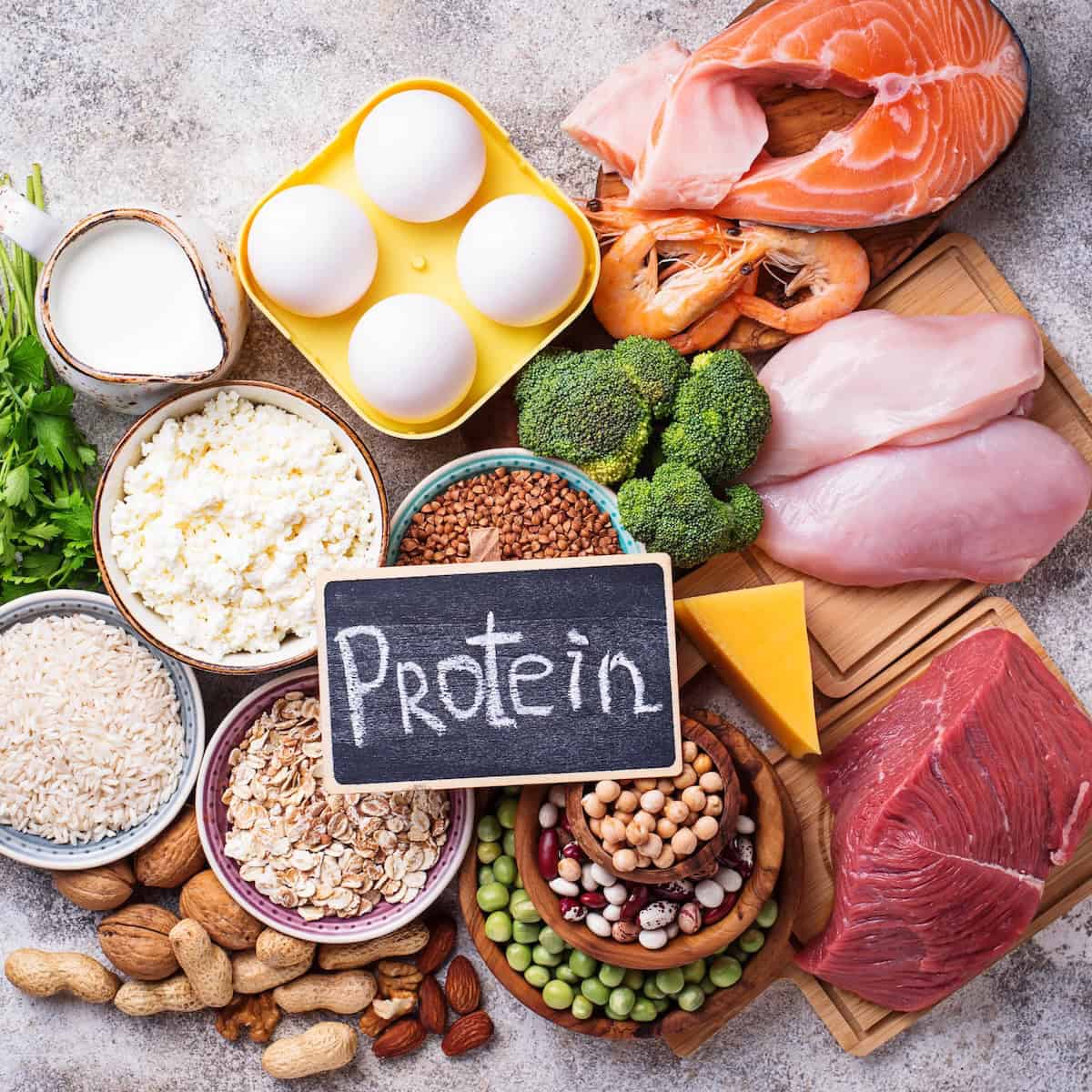
Knowing that I’m not getting any younger, one of my goals this year is to get stronger and build more muscle. Having more muscle makes it easier to maintain a healthy weight, helps insulin work better, and keeps you strong. I’ve been working on strength training with progressive overload to challenge my body, AND I’ve jumped on the protein train to support muscle synthesis. I’m happy to say that my efforts are paying off —and getting that extra protein in has been easier than I expected.
I wanted to share what I’ve learned and some tips to help you benefit from extra protein, too. Keep reading to learn why protein is even more important as you age, how to choose the best protein foods for women over 50, and how to consume protein to optimize absorption.
Why Do Women Over 50 Need More Protein?
Protein is an essential nutrient for all ages. You need it to build, repair, and preserve lean muscle. It also helps protect and repair skin, hair, and the connective tissues that hold your body together. Protein also plays a crucial role in immune health, as it’s the primary building block for immune cells, antibodies, and molecules that regulate inflammation.
However, as you age, your body becomes less effective at using protein for these vital functions. It’s a key reason we notice more crepey skin, thinning hair, aching joints, and diminished immune health beginning in middle age — even without any change in eating habits. And it’s a primary reason older adults, especially women, experience muscle loss, weakness, and frailty, known as age-related sarcopenia.
Muscle loss begins in your 30s, with about 3-8% loss of muscle mass per decade. It causes you to:
- Have less energy.
- Feel weaker than you used to.
- Be unable to exercise as intensely.
- Experience greater muscle fatigue during and after exercise.
- Have difficulty lifting heavy objects, including grocery bags.
- Have poor arm or hand strength to open a jar or twist a knob.
- Gain weight, especially belly fat, more easily.
During perimenopause, you gradually lose estrogen, which further speeds muscle loss while promoting more fat storage. After menopause, muscle loss really accelerates, and by age 70, women can lose up to 1% of their muscle mass each year.
Studies suggest that boosting protein intake as you age can help offset some of that muscle loss, especially if you add strength training. Women may experience additional benefits from increased protein intake, including:
- Supporting bone health.
- Improving insulin sensitivity, which can help regulate blood sugar and prevent diabetes.
- Maintaining a healthy metabolism and weight.
How Much Protein For Women Over 50?
In my experience as a dietitian, most women aren’t protein-deficient, but many women need more protein to maintain muscle and strength as they age. The question is, how much more?
I often see trainers on social media recommending 100 grams of protein a day, but that blanket recommendation isn’t right for everyone. It’s important to account for your body size, weight, muscle goals, and overall health.
Current research suggests that healthy adults over 50 should aim for at least 1.0 gram and up to 1.6 grams of protein per kilogram of ideal body weight. To convert your weight from pounds to kilograms, divide your weight in pounds by 2.2. For example, 150 pounds divided by 2.2 equals 68 kg.
If you prefer to stick with pounds, a good estimate is 0.4 to 0.7 grams of protein per pound of ideal body weight. So, if your healthy weight is 150 pounds, aim for between 68 and 110 grams of protein daily.
If you work out frequently and aim to build muscle, or want to maintain your muscle mass as you lose weight, I recommend targeting the upper end of that range—about 0.7 grams of protein per pound of your ideal body weight.
When calculating your protein needs, use your ideal body weight, as protein requirements are driven by lean muscle, not fat.
Women don’t necessarily need more protein than men. But I find women usually have to work harder to meet our daily protein goals for these reasons:
- In general, women over 50 have smaller appetites than men and eat smaller portions of protein-rich foods.
- Given a choice, lots of women (myself included) reach for carbs or sugar instead of extra protein. If that’s you, check out this article on how to quit your sugar cravings.
- Many postmenopausal women limit their calorie intake to prevent weight gain and often skip protein-rich foods to save calories.
Protein Timing Is Important
While it’s important to know your daily protein goal, it’s even more important to know when to consume protein. It takes at least 20 grams of protein to stimulate muscle synthesis. Experts recommend consuming 20-40 grams of protein at least three times, and ideally four times a day.
That means, if you typically skip breakfast or have coffee and a muffin in the morning, have a light lunch, maybe a salad or soup, and load up on chicken, fish, or meat at dinner — you’re not getting enough protein throughout the day to help prevent muscle loss. And you’ll likely have a hard time building muscle.
Instead, try to balance your meals so you get a similar amount of protein (about 30 grams) at breakfast, lunch, and dinner, with slightly less for a midday snack.
It’s also smart to eat a meal or a snack with at least 20 grams of protein within two hours of working out because your muscles are primed to absorb that protein.
The Best Protein Foods
Protein is highest in foods like meat, poultry, fish, eggs, dairy foods, tofu, beans/legumes, nuts, and seeds. Whole grains and vegetables contain less protein. Fruits have very low to no protein, and fats like olive oil or butter have little to no protein.
It’s best to get your protein from foods first, because whole foods also provide important vitamins and minerals that work with protein to keep you healthy. But if you’re short, a protein supplement (protein powder) is also a great way to boost your protein.
My current favorite protein supplements (these are Amazon affiliate links and I earn a small commission) are NOW Foods Whey Protein Isolate (it’s a great price and quality, and the vanilla flavor is tasty added to my overnight oats, Orgain plant protein (great quality and price, mixes easily for a plant protein powder), and I’m currently addicted to ProDough iced mocha whey protein. It’s expensive, but SO tasty that I can’t make it fast enough after my workout.
Here are some of the top protein-rich foods and the approximate amount of protein they provide in an average serving:
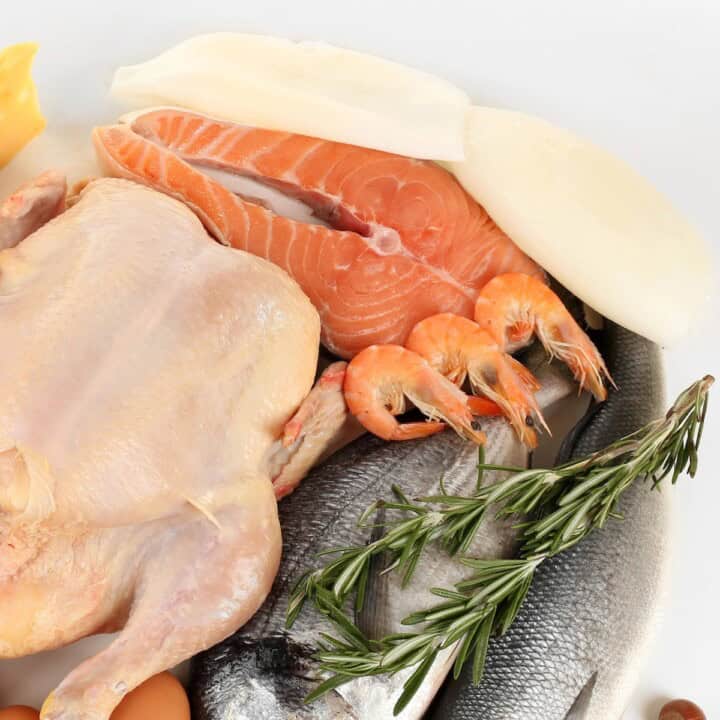
Meat, Poultry & Fish (3 oz. cooked)
- Beef: 21 grams of protein
- Pork: 22 grams of protein
- Lamb: 21 grams of protein
- Chicken breast: 26 grams of protein
- Chicken thighs: 21 grams of protein
- Turkey breast: 26 grams of protein
- Ground turkey: 23 gams of protein
- Salmon: 23 grams of protein
- Tuna: 25 grams of protein
- Shrimp: 20 grams of protein
- Flounder: 13 grams of protein
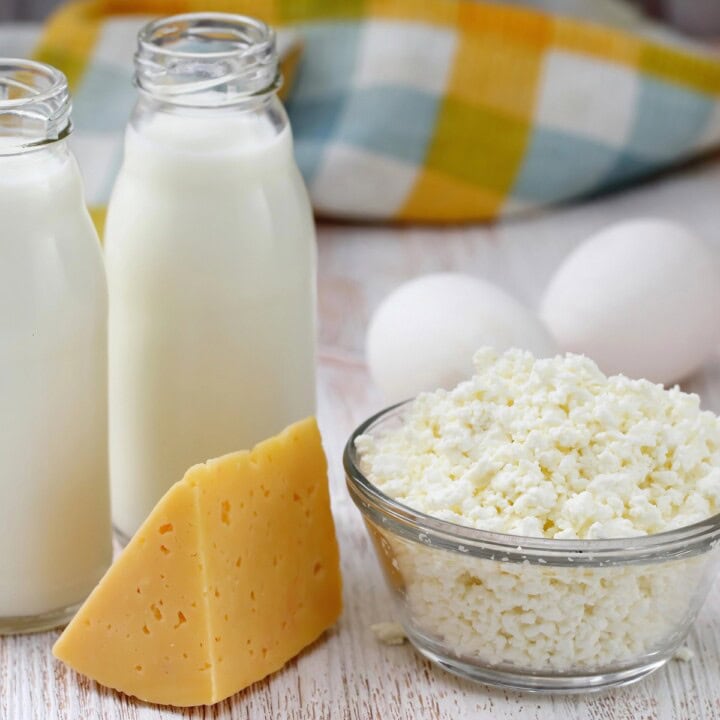
Dairy & Eggs
- Milk (1 cup): 8 grams of protein
- Kefir, plain (1 cup): 9 grams of protein
- Greek yogurt, plain (¾ cup): 17 grams of protein
- Cottage cheese (½ cup): 13 grams of protein
- Ricotta cheese (½ cup): 12 grams of protein
- Swiss or cheddar cheese (1 ounce): 8 grams of protein
- Feta cheese (1 ounce): 4 grams of protein
- Large egg: 6 grams of protein
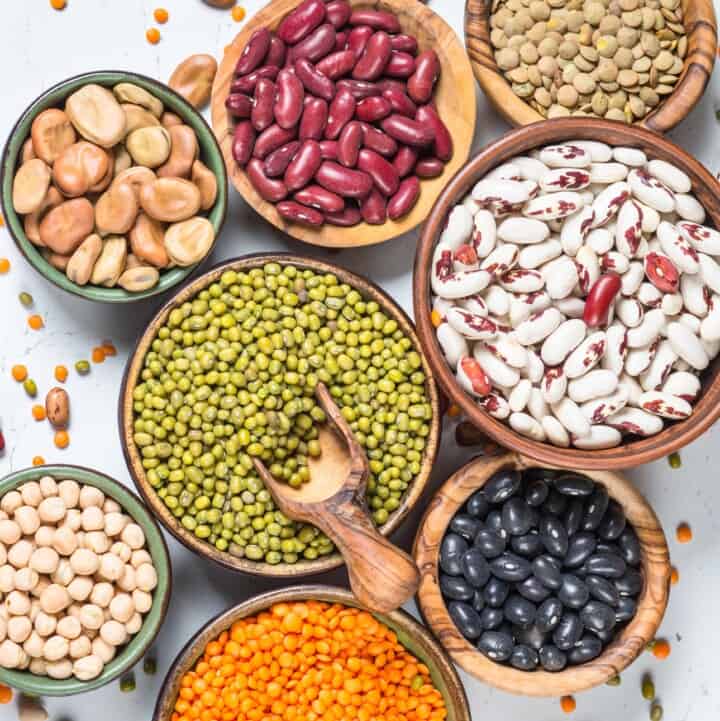
Legumes & Pulses (1/2 cup cooked)
- Black beans: 8 grams of protein
- Kidney beans: 7 grams of protein
- Lentils: 9 grams of protein
- Chickpeas: 8 grams of protein
- Edamame: 8 grams of protein
- Hummus (¼ cup): 5 grams of protein
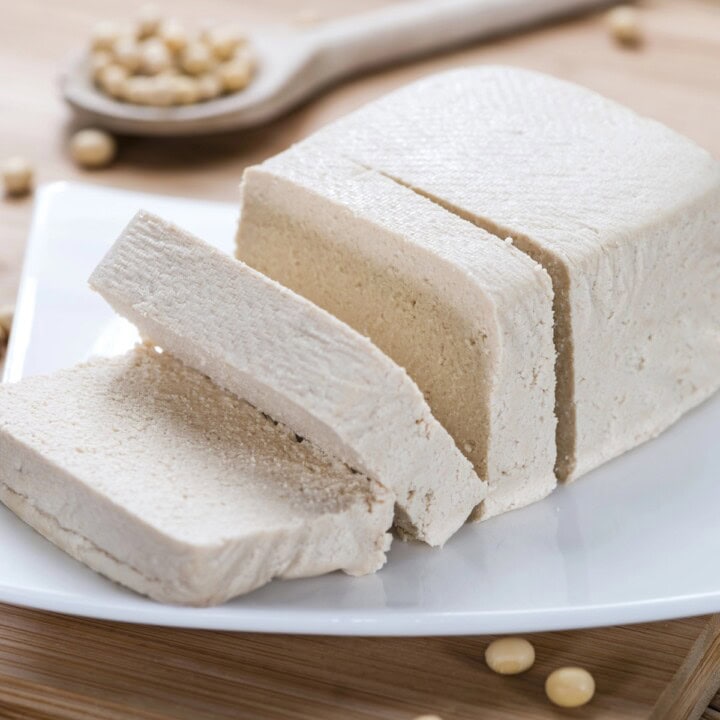
Plant Proteins
- Firm tofu (3 ounces): 10 grams of protein
- Tempeh (1 cup): 34 grams of protein
- Seitan (3 ounces): 21 grams of protein
- Veggie burger patty: 11 grams of protein
- Soy milk (1 cup): 8 grams of protein
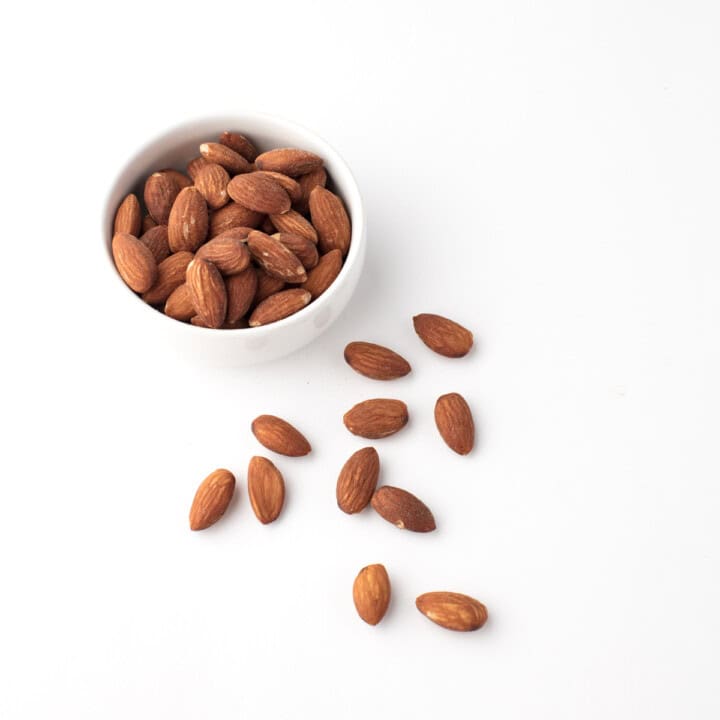
Nuts & Seeds
- Peanuts (1 ounce): 7 grams of protein
- Almonds, shelled pistachios (1 ounce): 6 grams of protein
- Pecans, walnuts (1 ounce): 4 grams of protein
- Peanut butter (2 tablespoons): 7 grams of protein
- Pumpkin seeds (1 ounce): 9 grams of protein
- Sunflower seeds (1 ounce): 5 grams of protein
- Chia seeds (2 tablespoons): 4 grams of protein
- Hemp seeds (2 tablespoons): 7 grams of protein
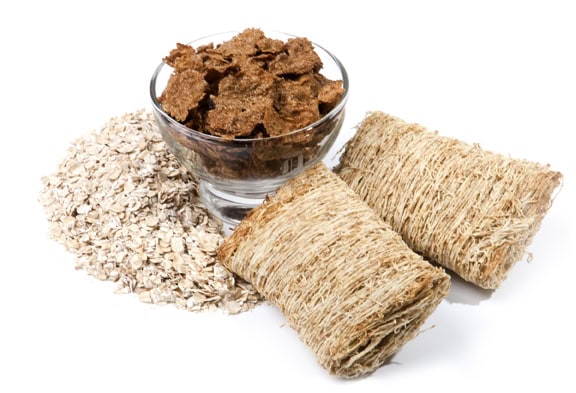
Whole Grains (1 cup cooked)
- Farro: 12 grams of protein
- Quinoa: 8 grams of protein
- Buckwheat: 6 grams of protein
- Oats: 5 grams of protein
- Barley: 4 grams of protein
- Pasta: 7 grams of protein
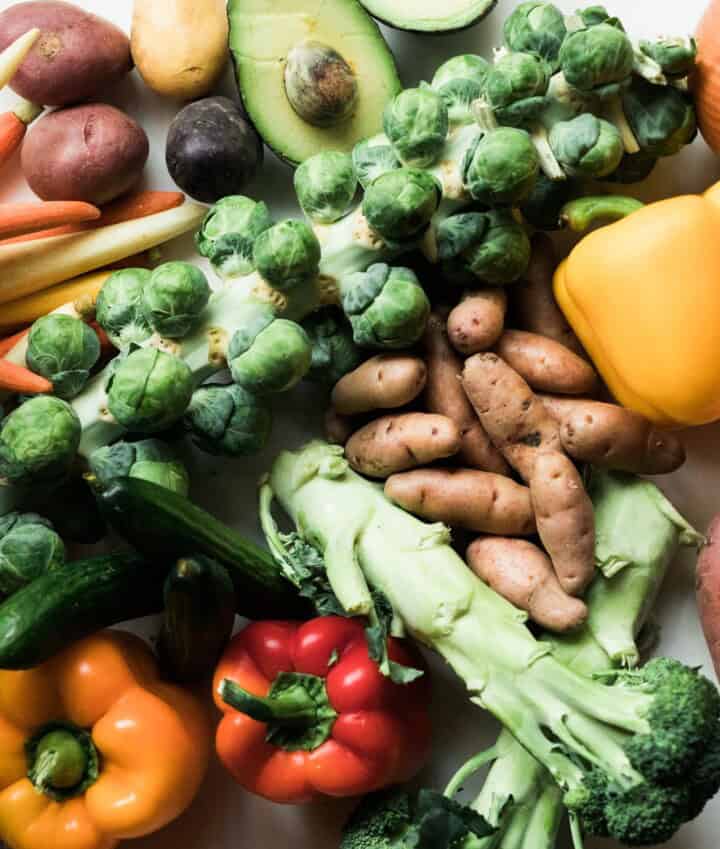
Vegetables (1 cup cooked)
- Peas: 9 grams of protein
- Broccoli, kale, asparagus, Brussels sprouts: 4 grams of protein
- Mushrooms, spinach: 6 grams of protein
- Carrots, cauliflower: 2 grams of protein
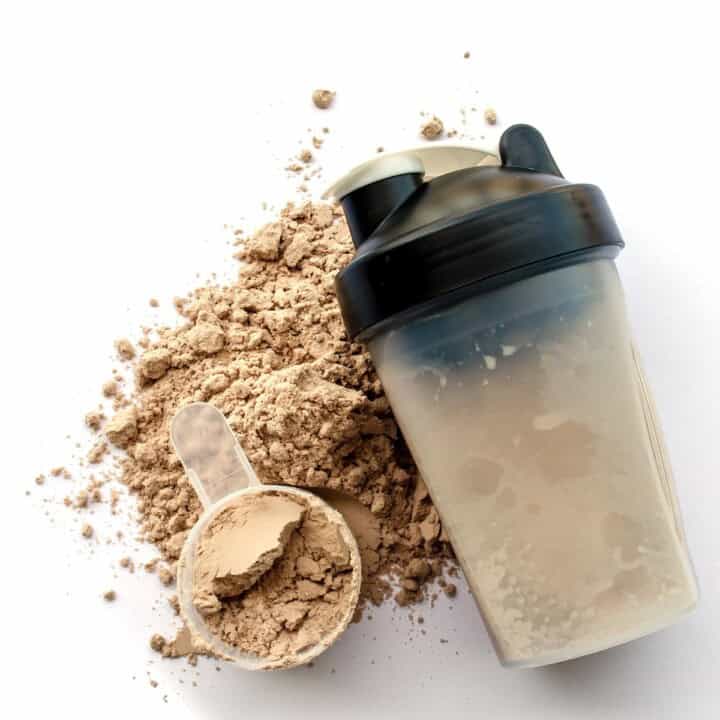
Protein Powders
- 20-30 grams per serving.
- Whey protein powders typically have more protein per scoop than plant proteins.
What Does 100 Grams of Protein a Day Look Like?
You don’t have to eat meat all day to meet your protein goals! A small amount of lean meat, fish, poultry, and/or dairy, combined with ample plant foods, will provide sufficient protein.
However, careful planning is critical if you follow a vegan diet or eat very few animal products. Looking at the lists above, you can see plant foods like beans, nuts, seeds, and tofu have far less protein per serving than animal foods. Therefore, it’s important to choose plenty of higher-protein plants every day to meet your goal.
Personally, I prefer a flexitarian approach to eating, with 50-60% of my meals and snacks focused on plant foods and plant-based proteins, and the remainder from animal sources, including lean meat, skinless poultry, fish, dairy, and eggs. If you eat this way, it’s fairly easy to get plenty of protein throughout the day.
Here are some meal and snack examples that provide 30-40+ grams of protein per serving:
High-Protein Breakfasts
High-Protein Lunches
High-Protein Dinners
High Protein Snacks
Are Animal or Plant Proteins Better?
All protein, whether it comes from plant or animal foods, contains a mix of amino acids, and it’s the amino acids your body uses to build muscle and other tissues throughout your body. Animal proteins provide all nine essential amino acids that your body can’t produce on its own. These are called complete proteins.
With the exception of soy foods (tofu, soy milk, tempeh, soybeans, etc), hemp and chia seeds, and certain grains like quinoa, most plant foods lack one or more essential amino acids. These are called incomplete proteins.
As long as you’re eating a well-rounded diet with lots of variety, the completeness of your protein usually isn’t significant. That’s because the amino acids lacking in, say, beans are present in rice or other grains. Or the amino acids missing from whole-grain bread are present in peanut butter. When you eat various plant foods together, or in the same day, you end up with all of your essential amino acids.
However, there are a few things to know about plant vs animal protein.
Some research shows that protein from plant foods is slightly less digestible, so less is available for your body to use. But this hasn’t been found to be true with plant-based protein powders, so adding a scoop to plant-based meals or snacks can be a good way to boost your plant protein intake.
What’s more, when compared side by side, plant proteins like soy have been found to be less effective at stimulating muscle growth than animal proteins, like whey. That’s not to say plant proteins aren’t effective, but that you might need slightly more to get the job done.
But getting your protein from only animal foods isn’t the best idea either. Diets that are very high in animal proteins (with little vegetables, nuts, seeds, beans, grains, etc) may be too low in fiber, antioxidants, and other important nutrients that plant foods provide and that your body needs to stay healthy as you age.
All of this is to say that it’s important to eat a variety of foods each day, because each food brings something unique to the table.
Tips to Help Your Body Use Protein Better
Your body does an amazing job of digesting, metabolizing, and using protein wherever it’s needed. But these tips can help you get the most benefit from the protein you consume:
- Eat or drink your protein with a carbohydrate, like a protein shake with a banana or a glass of chocolate milk, especially after a strength-training workout. Carbohydrate-rich foods stimulate insulin, which drives amino acids into muscles for growth and repair. Carbs also prevent muscle breakdown.
- Eat enough calories to support muscle growth. Don’t even think about eating 1200 calories a day! Cutting calories too low (more than 500 calories/day under what you need to support your ideal body weight) promotes muscle loss, so it’s very hard to build muscle. The good news is, as you build muscle, you’ll boost your metabolism so it’s unlikely you’ll gain weight if you add extra calories.
- Limit ultra-processed foods as much as possible. When consumed regularly, packaged, ready-to-eat foods like frozen meals, fast food, savory and sweet snacks, and sugar-sweetened beverages promote low-grade inflammation. This is linked to many chronic diseases, including obesity, and will interfere with muscle synthesis.
- Get ample sleep and manage stress. Poor sleep and chronic stress disrupt your hormones — especially cortisol and other stress hormones. In excess, these hormones promote weight gain, fat storage (especially belly fat), and muscle breakdown.
That’s a lot to digest, for sure! Adding more protein might seem challenging, but I promise, once you get into the habit of planning meals and snacks around protein-rich foods, meeting your protein goals will become second nature. If you have questions, don’t hesitate to ask!